
Vertel uw vrienden over dit artikel:
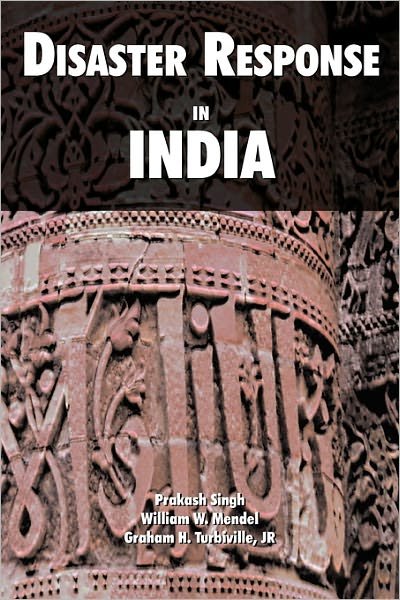
Disaster Response in India U.s. Department of the Army
Besteld in een afgelegen magazijn
 Kerstcadeautjes kunnen tot en met 31 januari worden ingewisseld

Onze klanten zeggen:


Disaster Response in India
U.s. Department of the Army
First published in 2000. Abstract: "India is prone to natural and man-made disasters. The number has been increasing every year because of the mixture of various factors such as adverse weather, population growth, urbanization, and industrialization. How the Republic of India organizes for managing significant natural and man-made disasters, its capacity for effective response, and its ability to achieve unity of effort among governmental and non-governmental organizations are the elements of analysis here. This is of interest because India is an emerging world power; it is currently the second largest country in the world in population, and by 2050 it will have surpassed China as the largest. The number of Indians affected by disaster events shows a steady upward trend. Disasters have been taking a heavy toll of human and animal lives. Floods have proven to be the most devastating type of natural disaster in India, causing the maximum number of deaths and damage to property (cyclones have taken a heavy toll of lives and caused widespread devastation). At the same time, droughts affect a large segment of population, resulting in loss of employment and migration to other regions. Earthquakes have caused a comparatively lower amount of damage, but landslides are likely to increase in frequency in the coming years because of deforestation and over development on hillsides. Conurbation and industrialization have combined to create a dangerous synergy that now presents a significant hazard to India's people. In responding to these kinds of hazards, India's disaster management officials and professional humanitarians conduct disaster planning and response generally within a paradigm of three phases: Pre-disaster; Emergency (or Disaster Impact); Post Disaster (or Recovery). There is a strong emphasis in government policy and planning to encourage mitigation, i.e., actions taken prior to the occurrence of a disaster, including preparedness and long-term risk reduction measures."
| Media | Boeken Paperback Book (Boek met zachte kaft en gelijmde rug) |
| Vrijgegeven | 2011 |
| ISBN13 | 9781780391427 |
| Uitgevers | Military Bookshop |
| Pagina's | 208 |
| Afmetingen | 226 × 11 × 150 mm · 285 g |
| Taal en grammatica | Engels |
Meer door U.s. Department of the Army
Alles tonen













Bekijk alles van U.s. Department of the Army ( bijv. Paperback Book , Hardcover Book en Book )